

- Qin Liu & Wenxi Zhu
- Posted on November 16, 2026
- Hangzhou, China
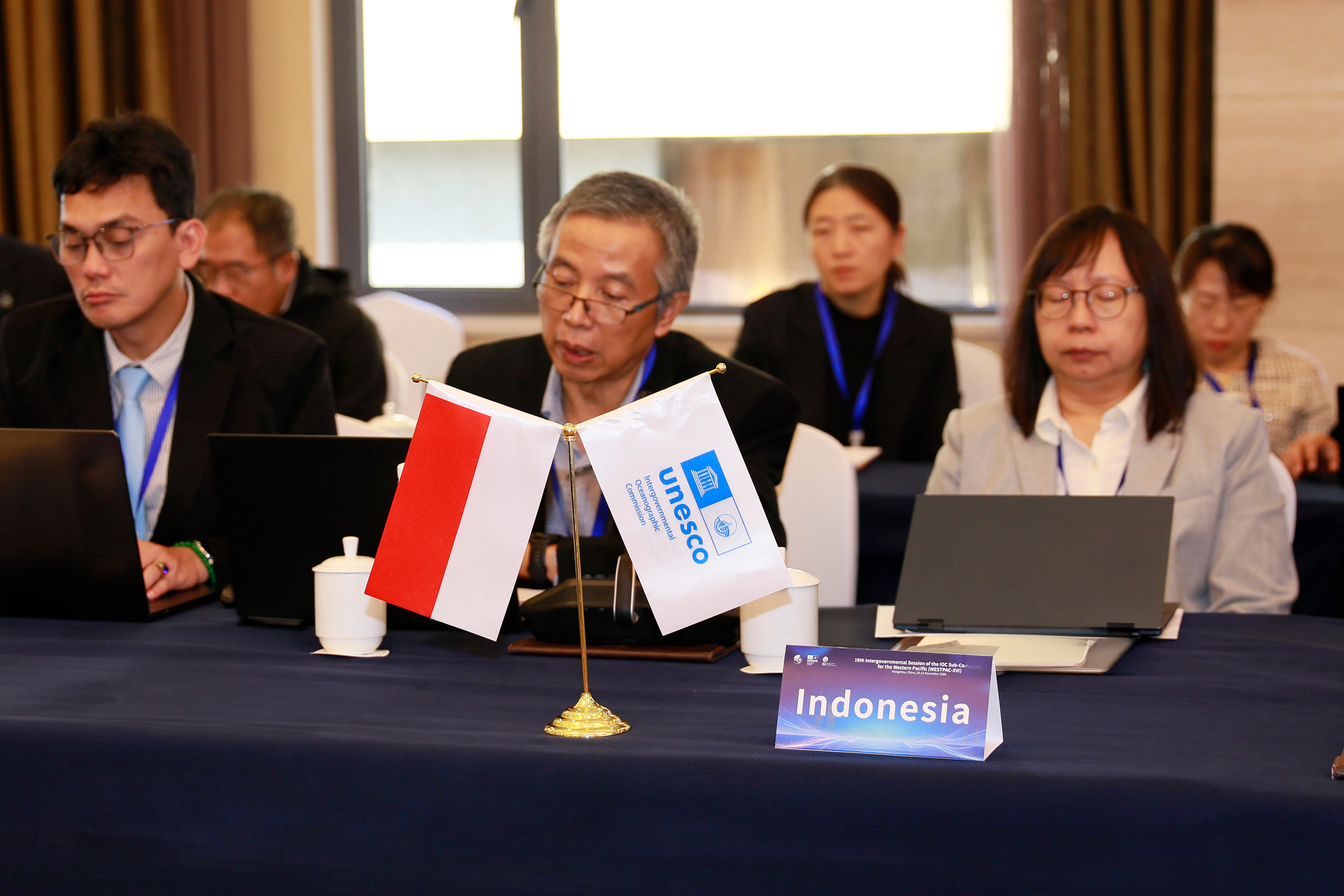
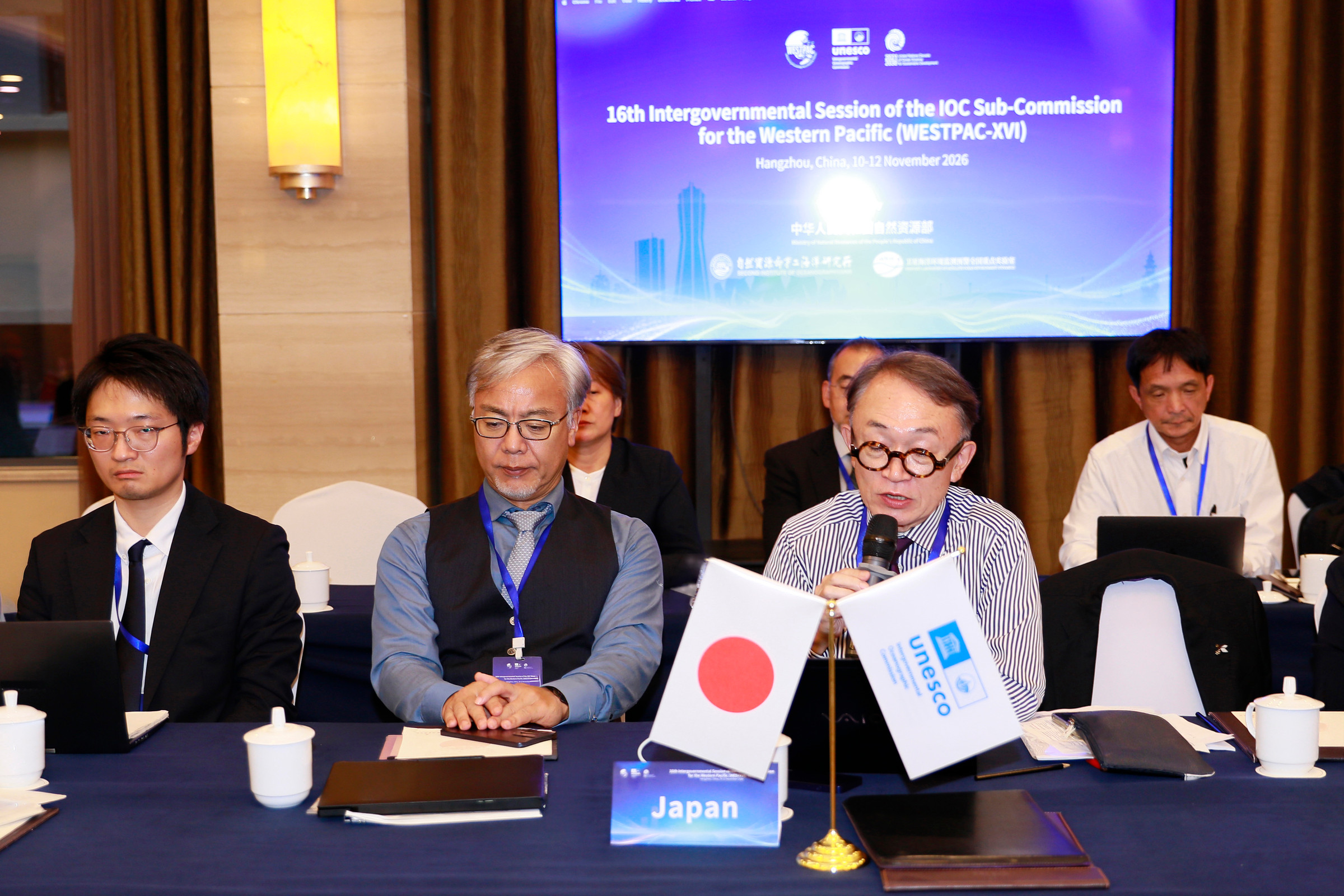
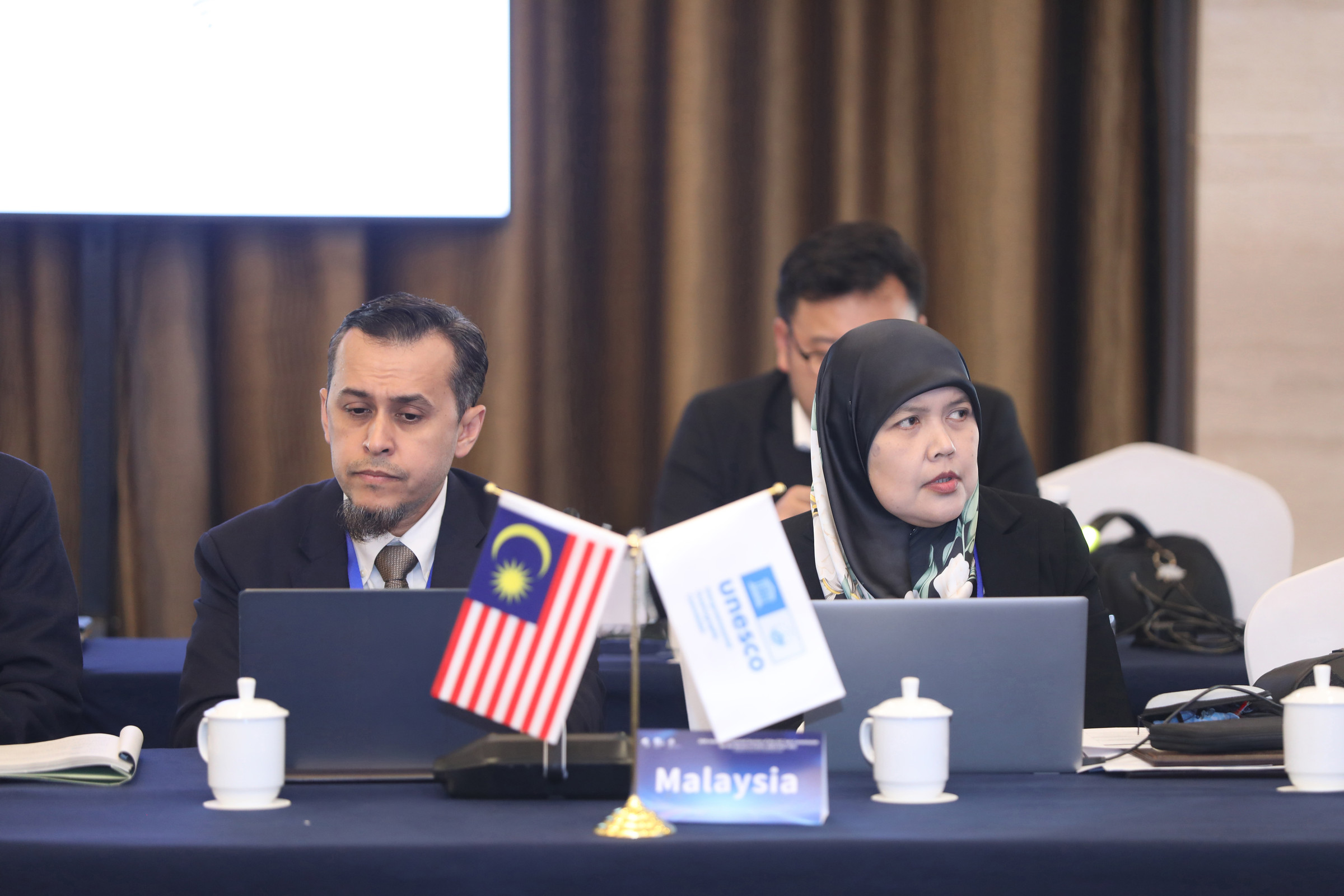
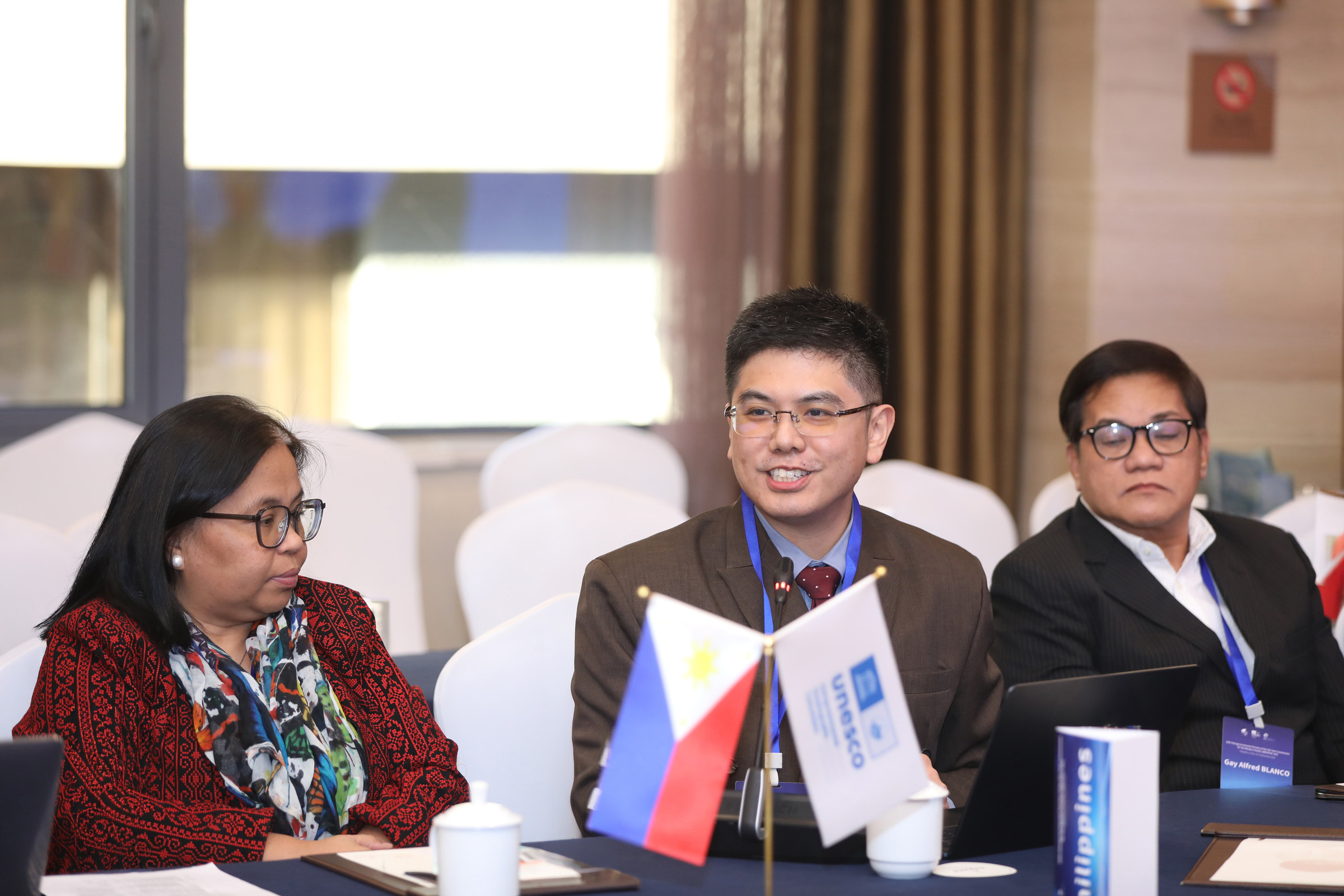
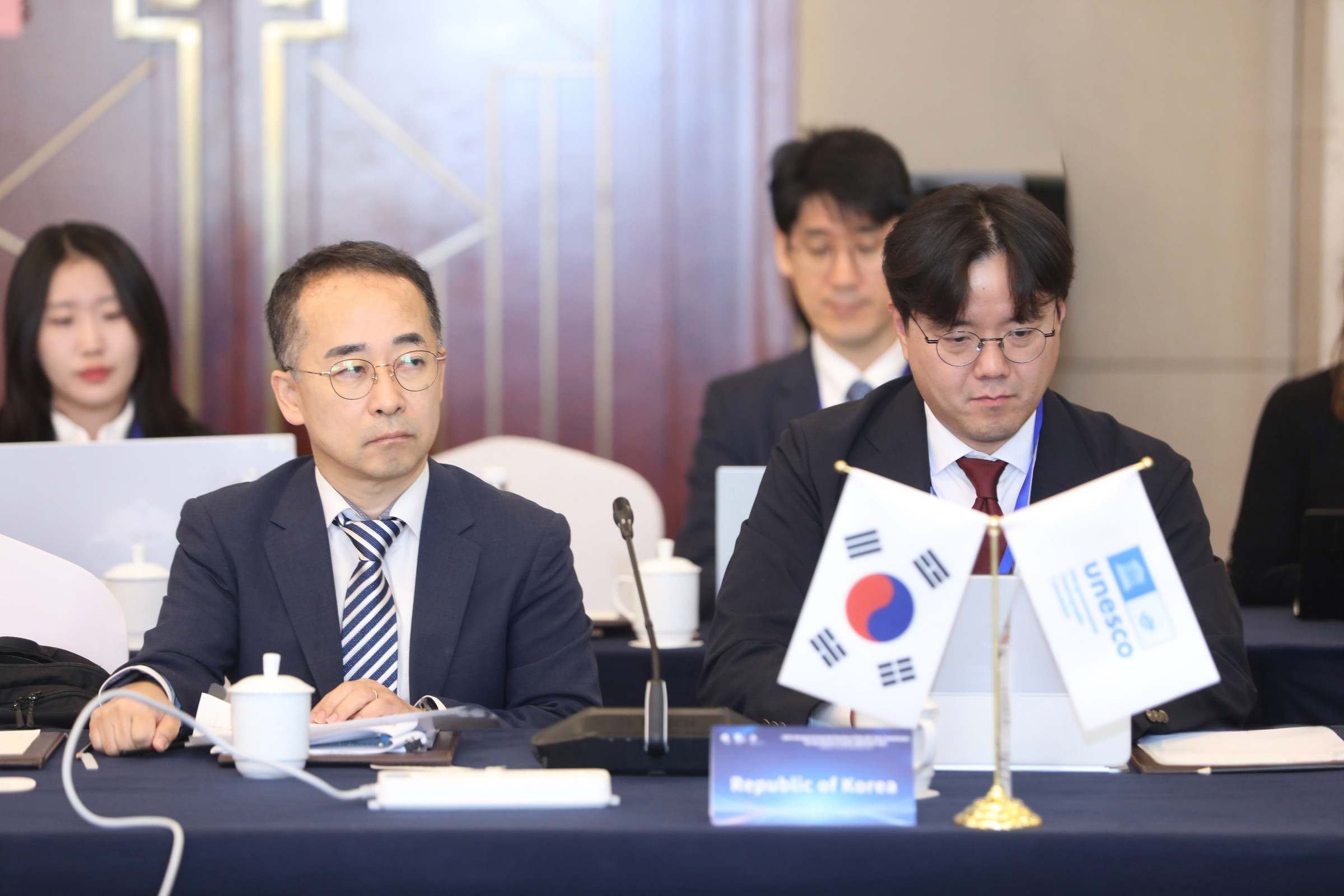
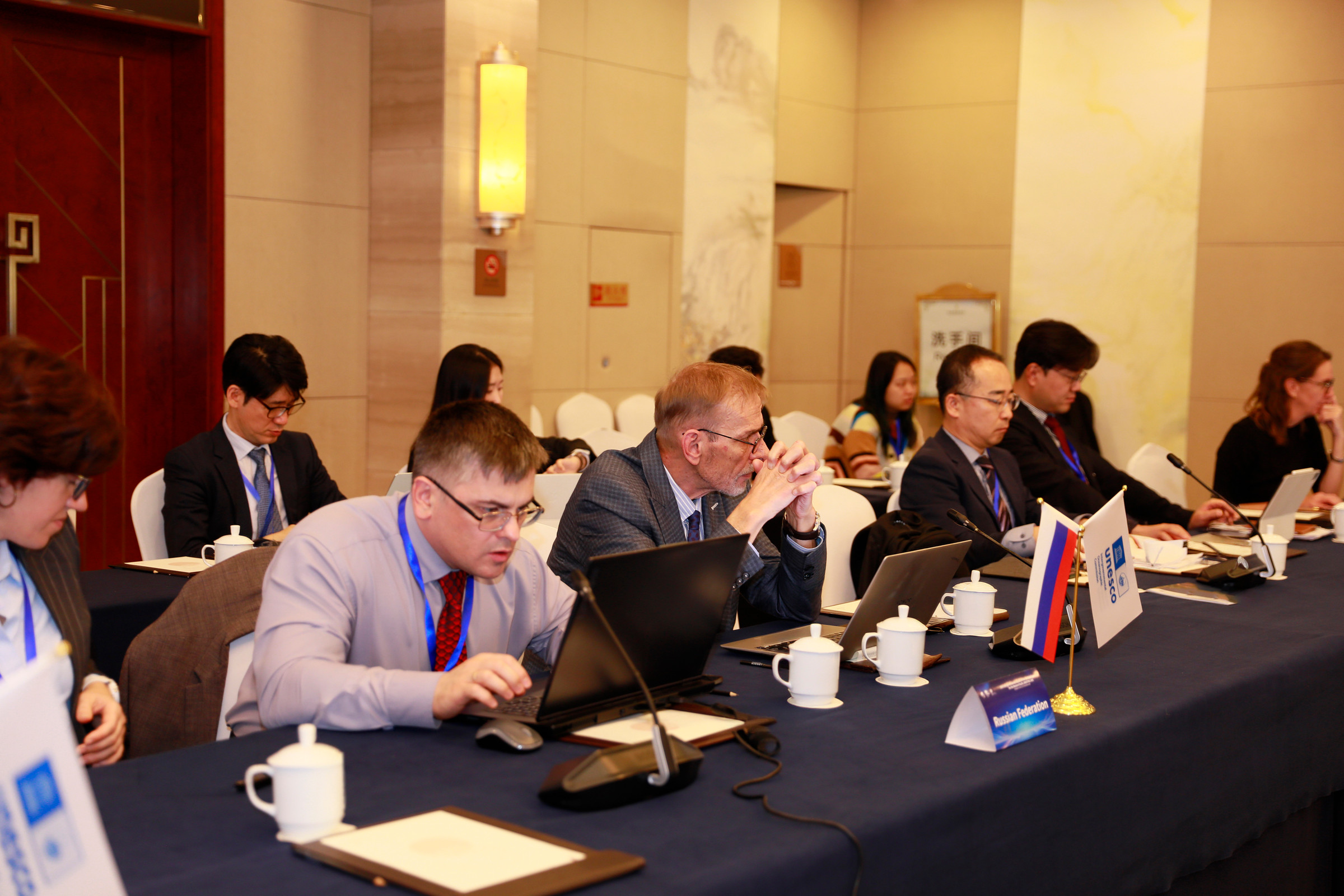
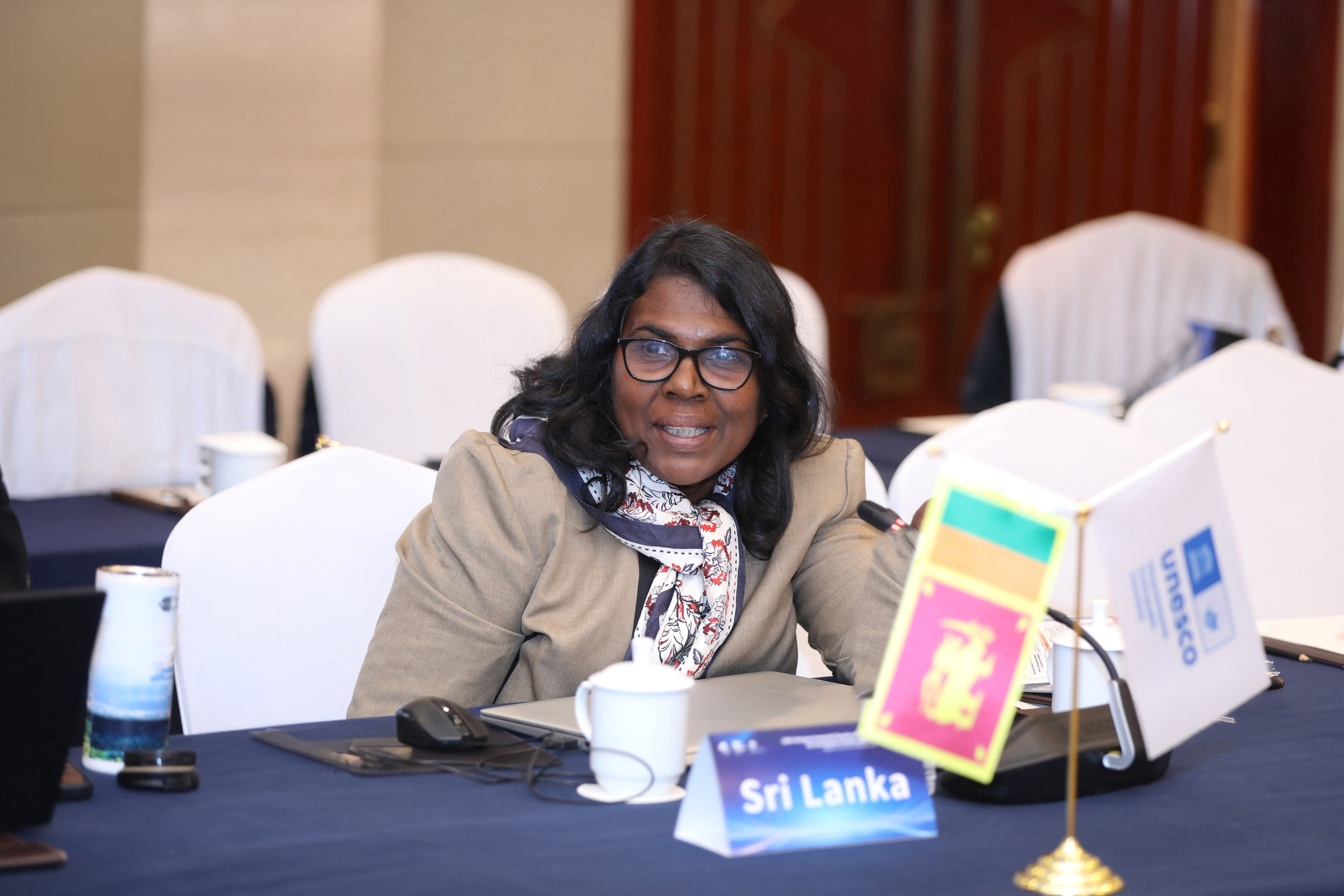
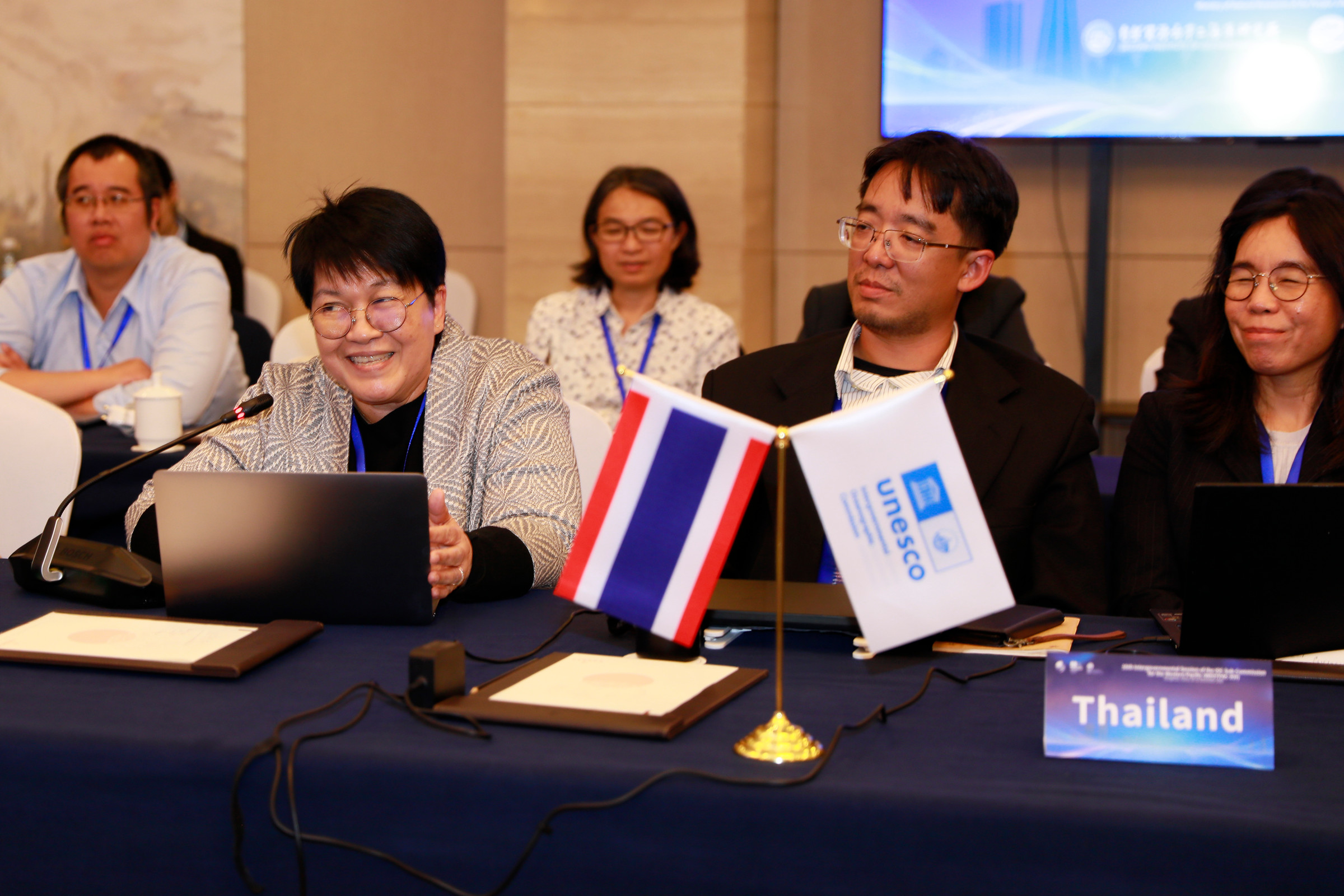
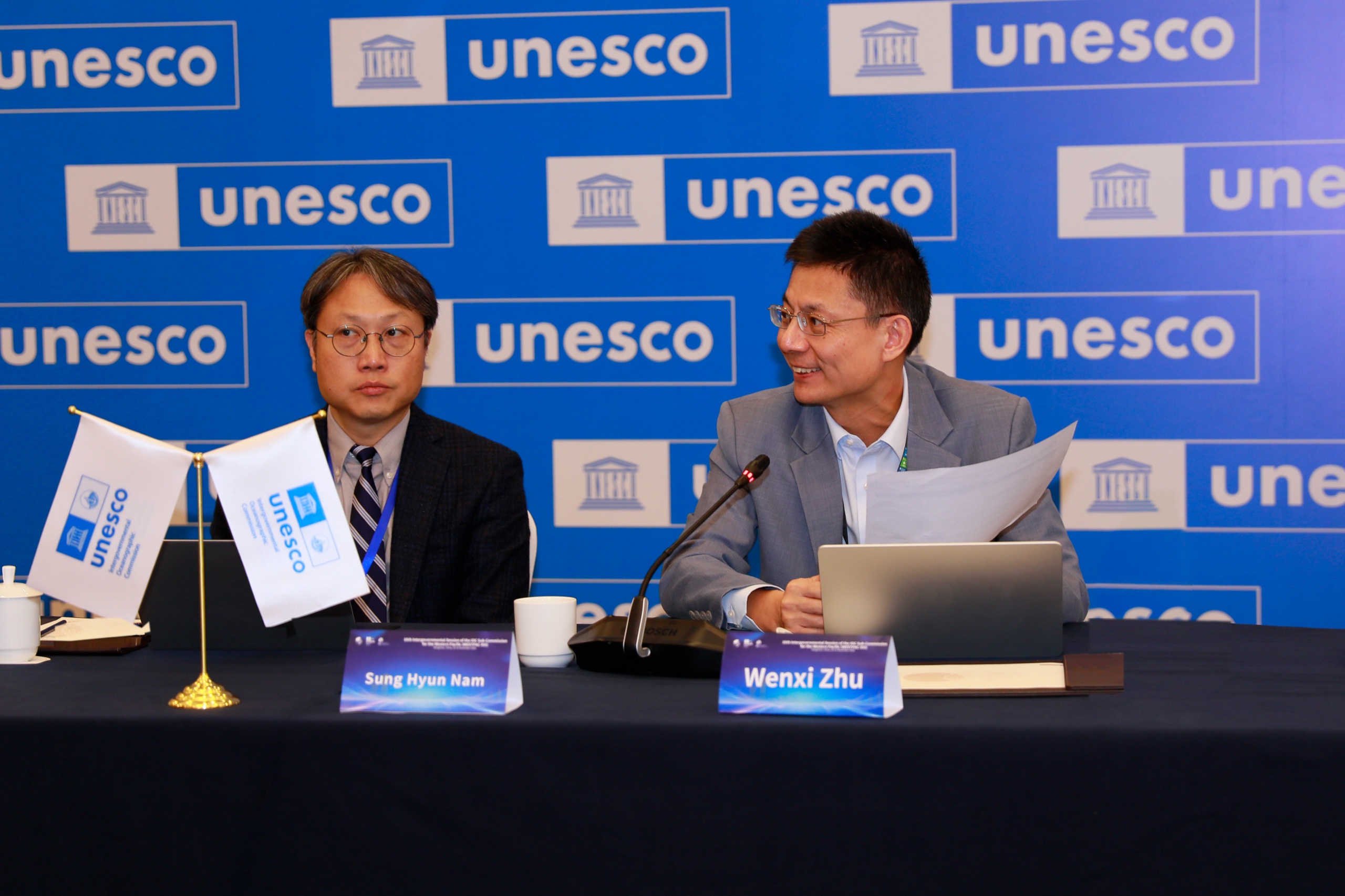
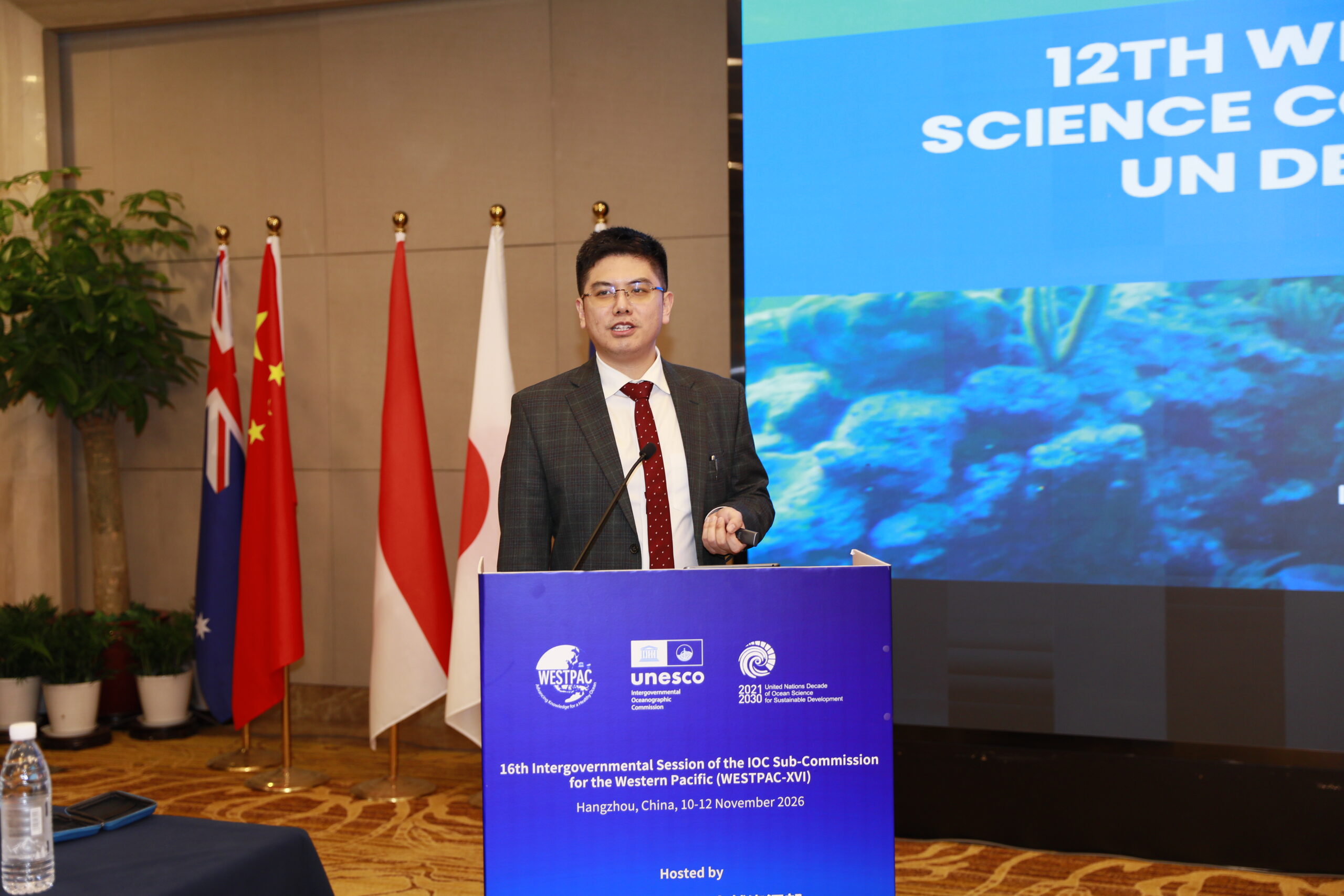
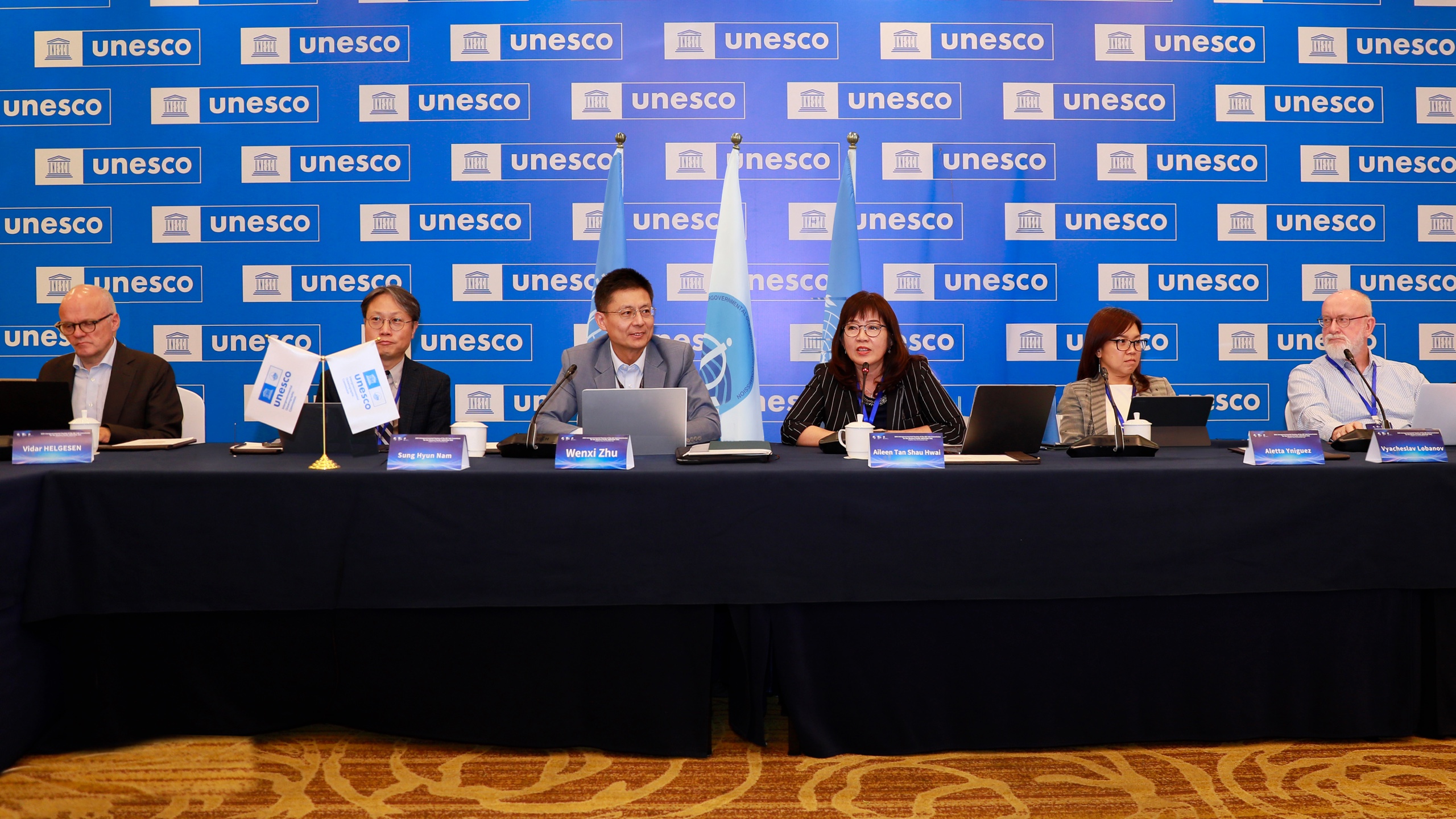
Hangzhou, China, 12 November 2026 — As climate change and biodiversity loss intensify pressures on the Western Pacific, eleven national delegations from across the Western Pacific gathered in Hangzhou, China, from 10 to 12 November for the Sixteenth Intergovernmental Session of the IOC Sub-Commission for the Western Pacific (WESTPAC-XVI). The meeting strengthened cooperation among Member States, shaped future priorities, and agreed on new actions to translate ocean science and knowledge into practical solutions.
Home to some of the world’s richest marine biodiversity, the Western Pacific supports hundreds of millions of people and contributes to food security and economic prosperity far beyond the region. Yet ocean warming, marine heatwaves, coral bleaching, sea-level rise, and the degradation of mangrove and seagrass ecosystems are placing marine life and coastal communities under growing pressure.
With these challenges crossing national boundaries, no country can tackle them alone. Stronger cooperation is essential to advance scientific understanding, strengthen technical and institutional capacities, and connect ocean knowledge with policy, management, and action.
The Session also took place amid wider changes in the multilateral system. The UN80 and UNESCO80 reform initiatives have renewed attention to institutional effectiveness and the importance of translating global commitments into tangible results at regional and national levels.
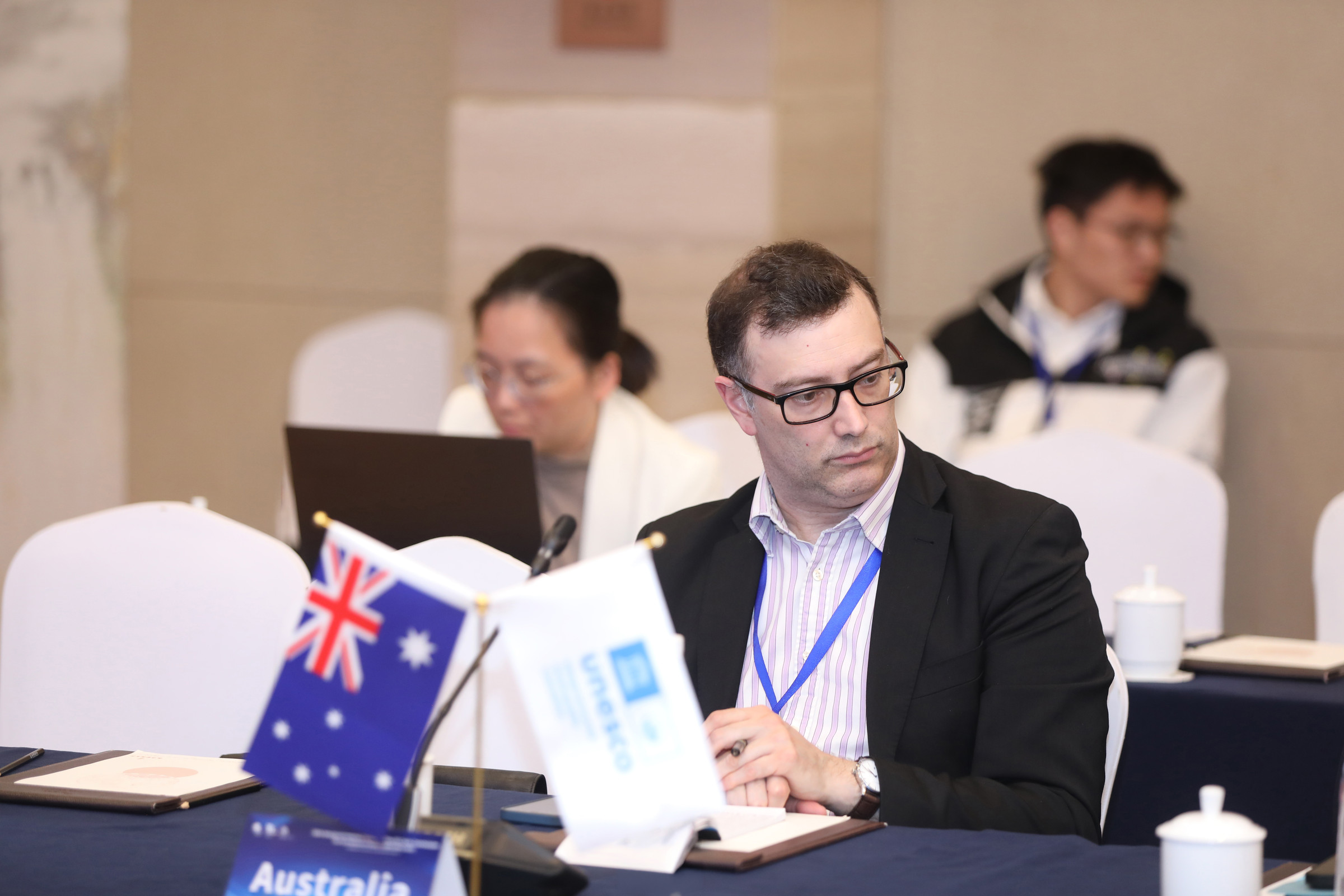
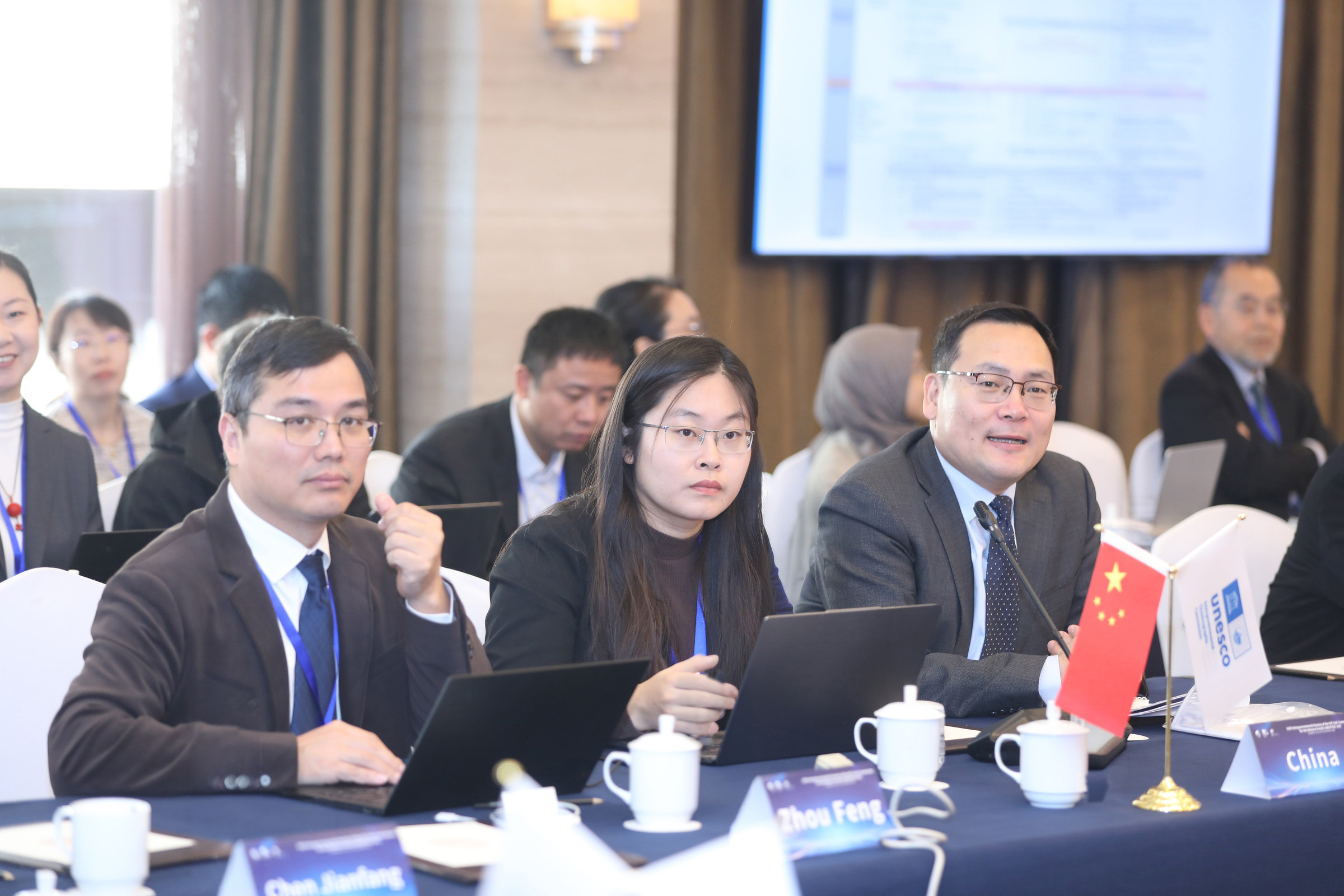
Hosted by the Government of China through its Ministry of Natural Resources and Second Institute of Oceanography, the Session brought together around 100 government representatives, scientists, representatives of foundations, and international partners from 11 Member States.
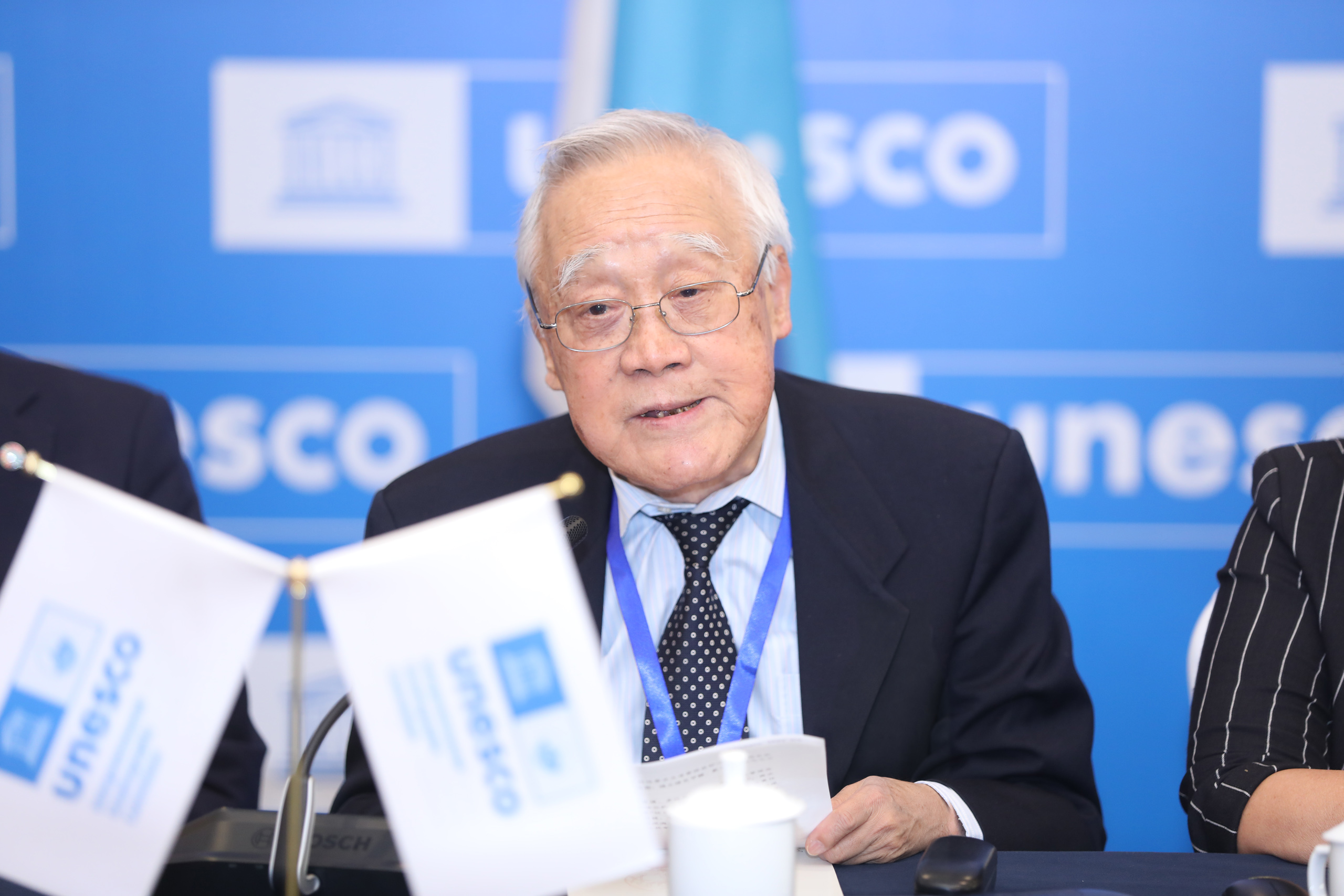
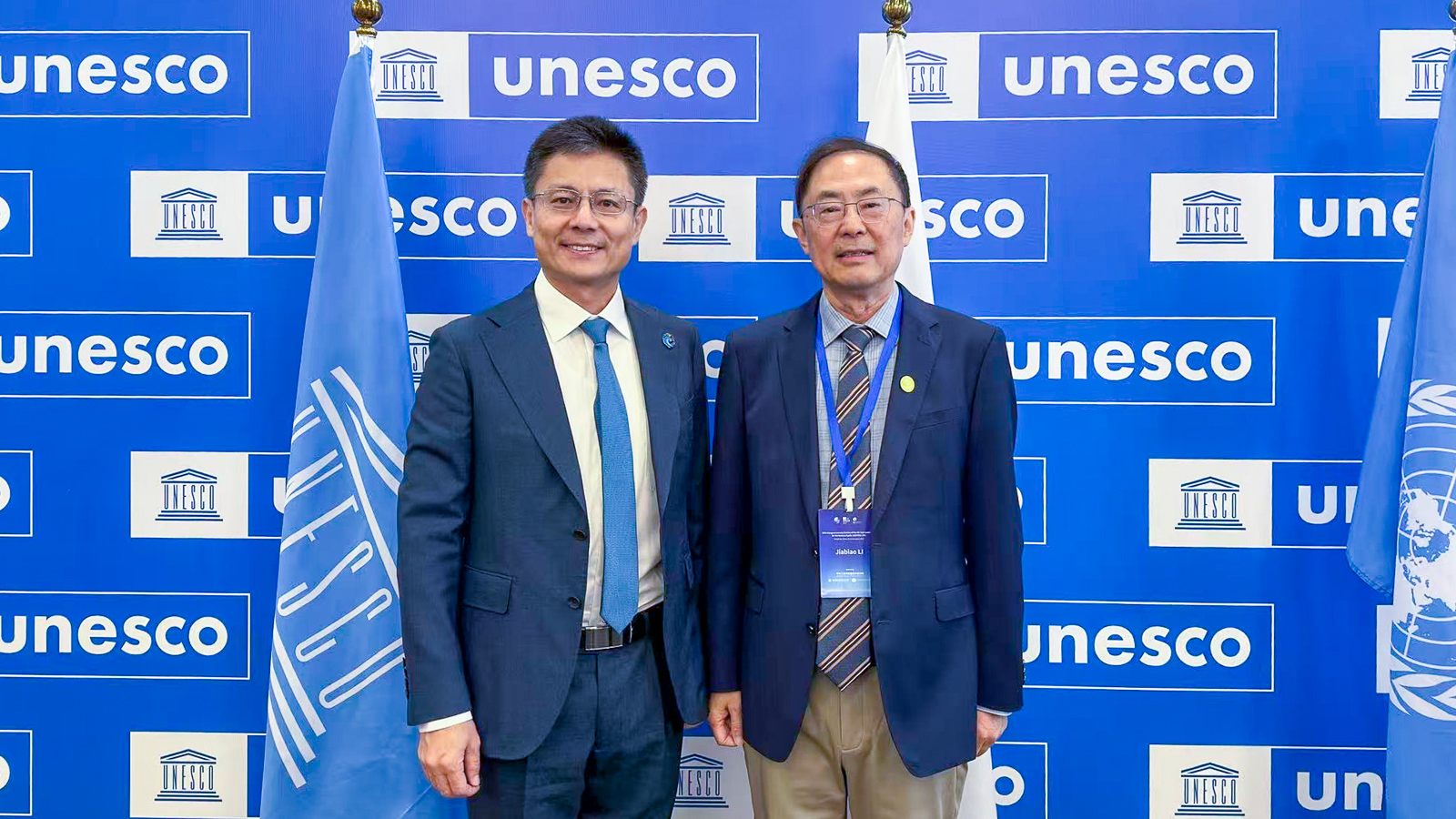
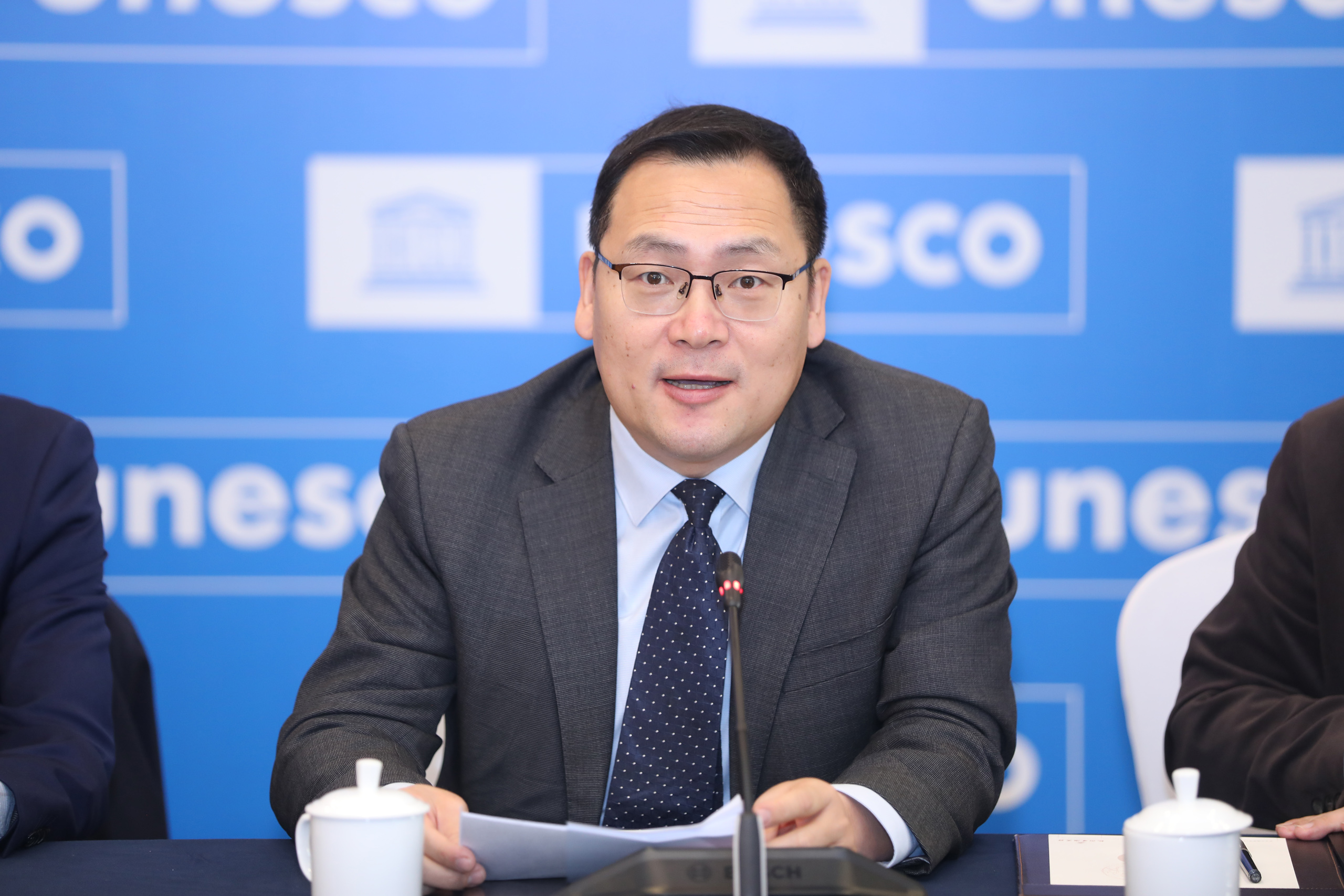
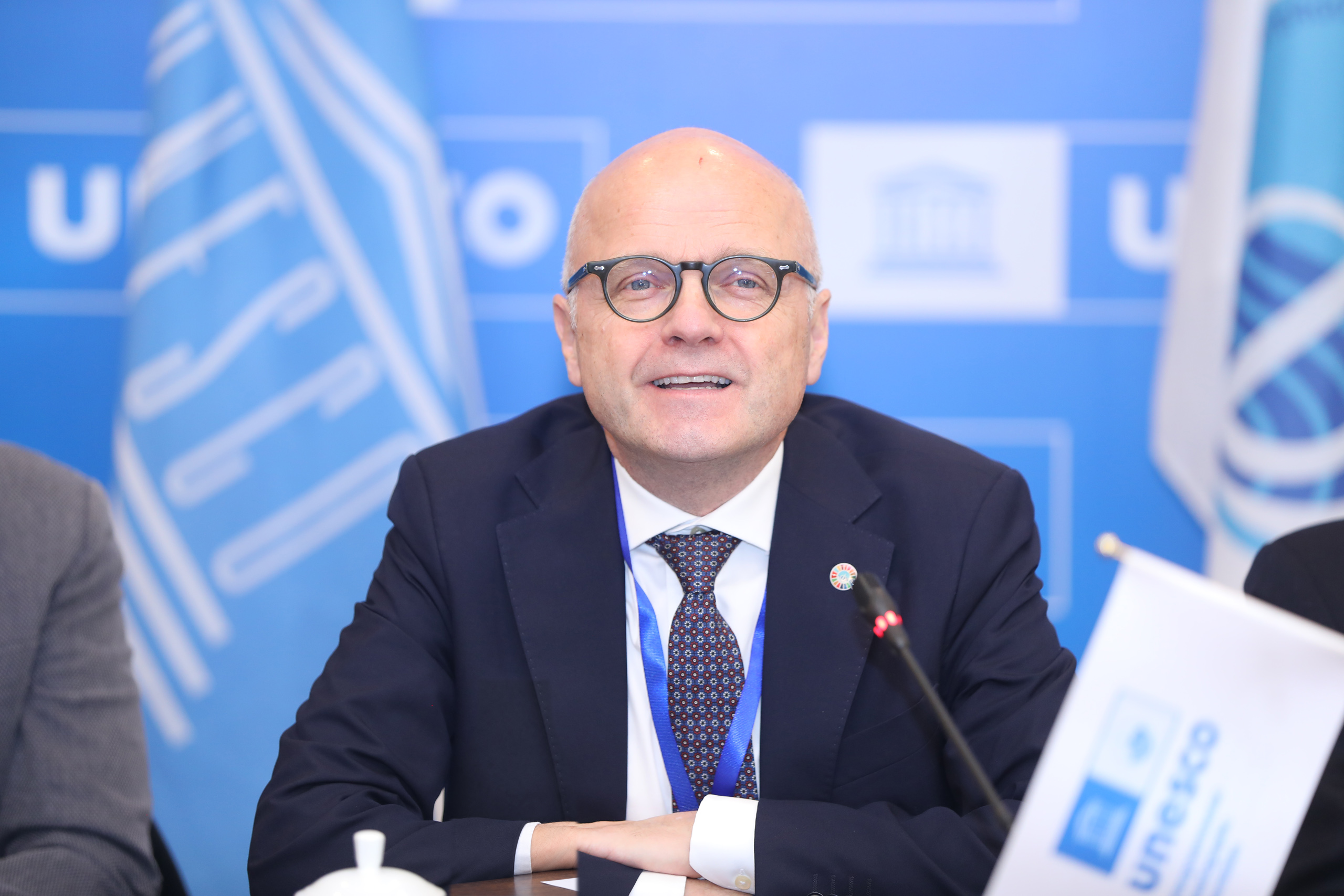
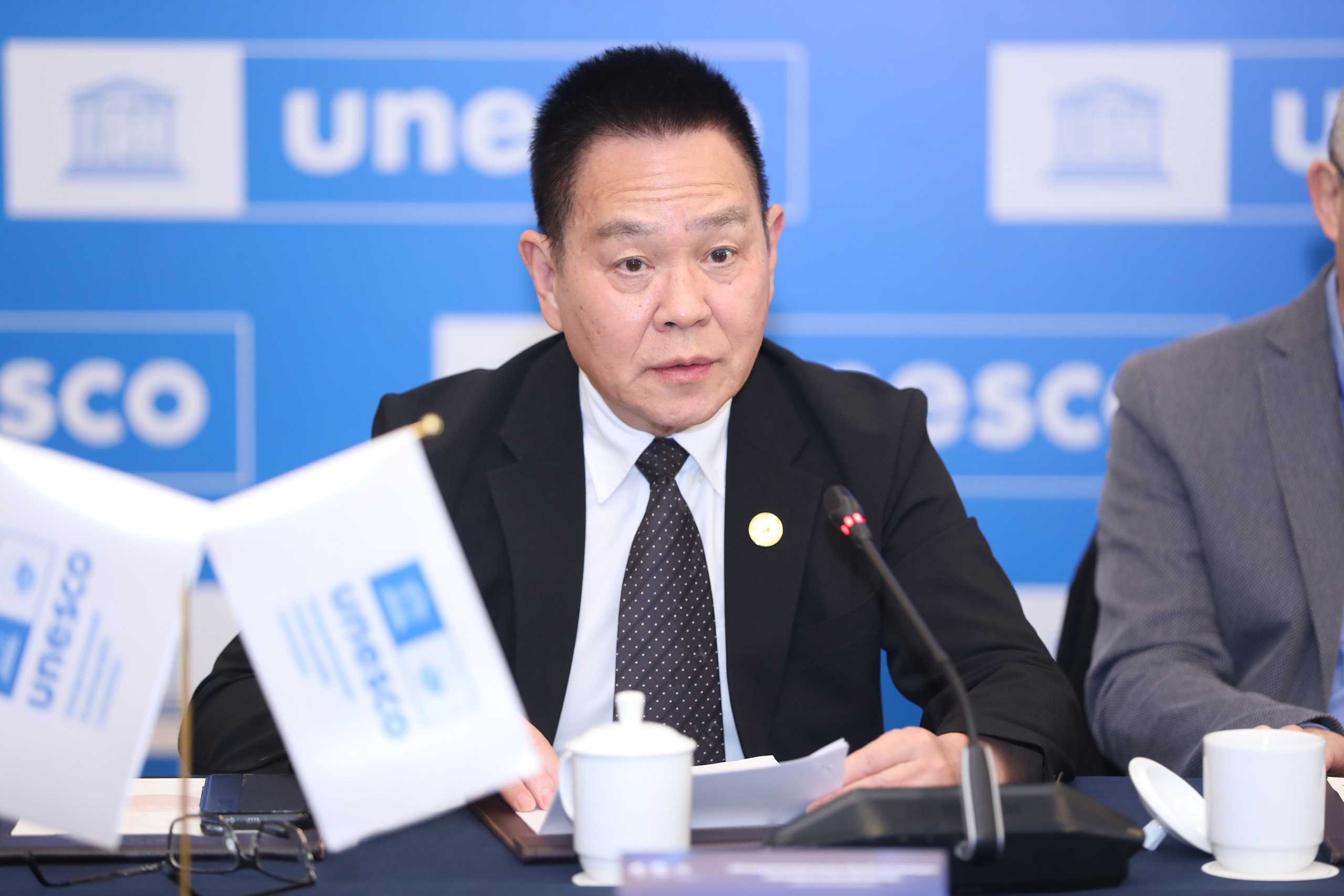
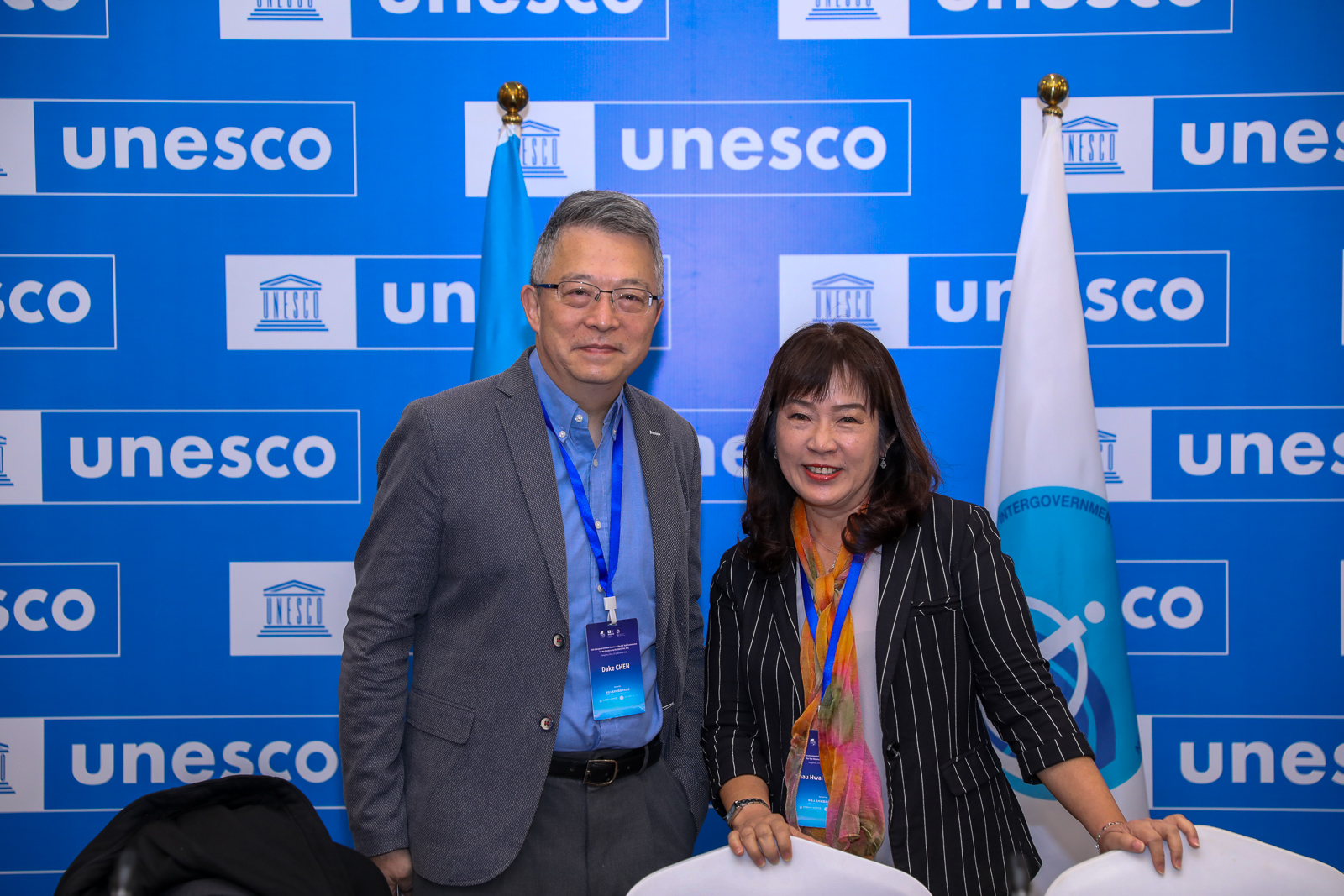
The Session opened in a warm and inspiring atmosphere, reflecting the commitment of successive generations to advancing ocean science and international cooperation, and the sustained support of Member States. The opening was graced by three distinguished ocean scientists: Prof. Jilan Su, former Chairperson of IOC (1999-2003) and WESTPAC (1993-1996), renowned for his contributions to ocean circulation research and international cooperation; Prof. Jiabiao Li, a leading expert in marine geology and deep-sea exploration; and Prof. Dake Chen, recognized for his pioneering research on El Niño and ocean–climate interactions. Their presence highlighted the region’s rich scientific legacy and its continuity across generations. Opening addresses by senior representatives of IOC, China’s Ministry of Natural Resources, and the China Oceanic Development Foundation reaffirmed their commitment to supporting the Sub-Commission’s endeavours to advance ocean science, strengthen regional cooperation, and translate ocean knowledge into concrete actions for the benefit of Member States and their communities.
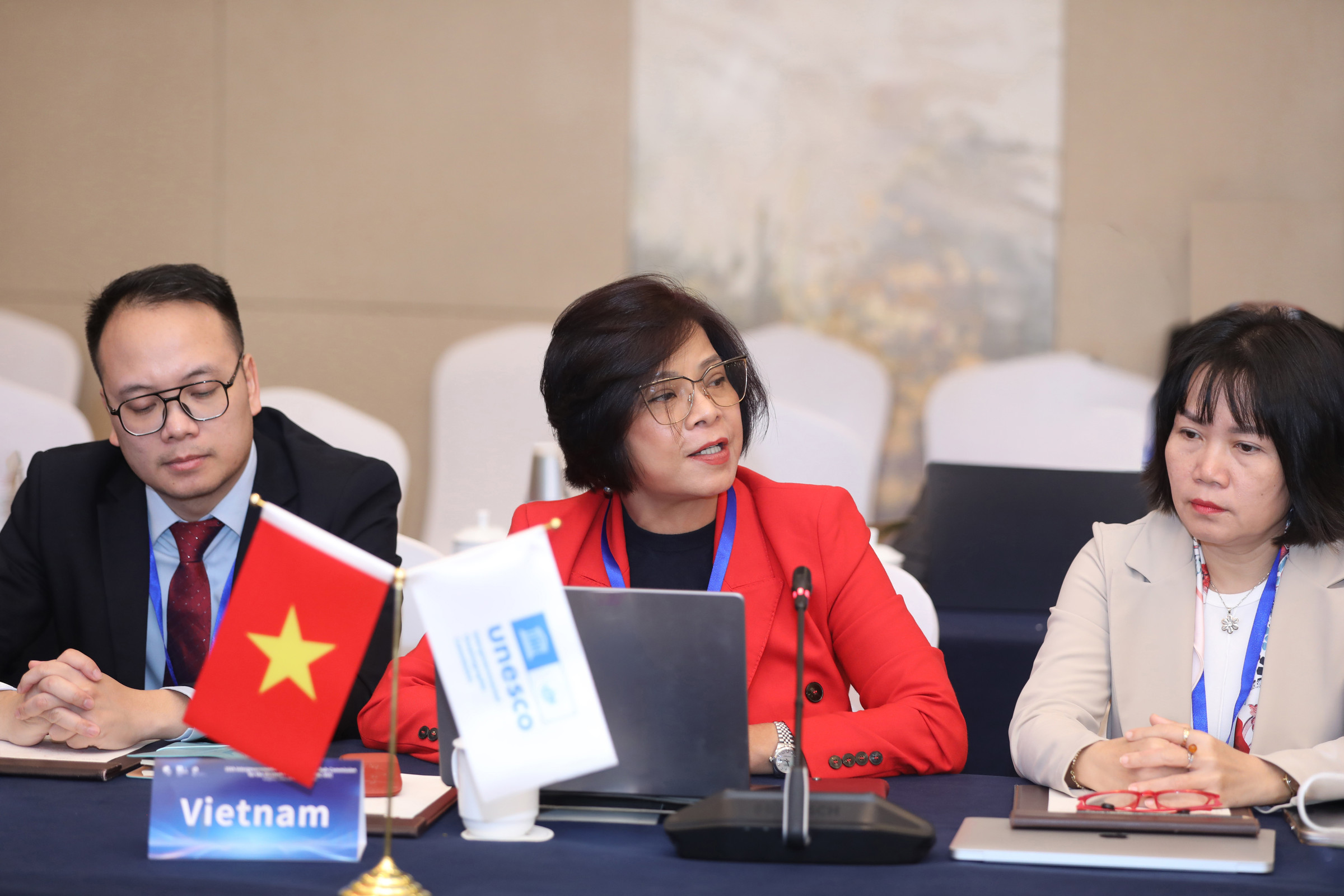
Turning ocean science and knowledge into practical solutions
How can ocean science make a tangible difference to people and communities? This question was central to the Session as delegations reviewed WESTPAC’s progress since its previous meeting in Tokyo, Japan, in March 2025.
Across the region, cooperation has advanced in marine spatial planning, biodiversity conservation, ecosystem restoration, ocean observation and prediction, ocean literacy, and capacity development.
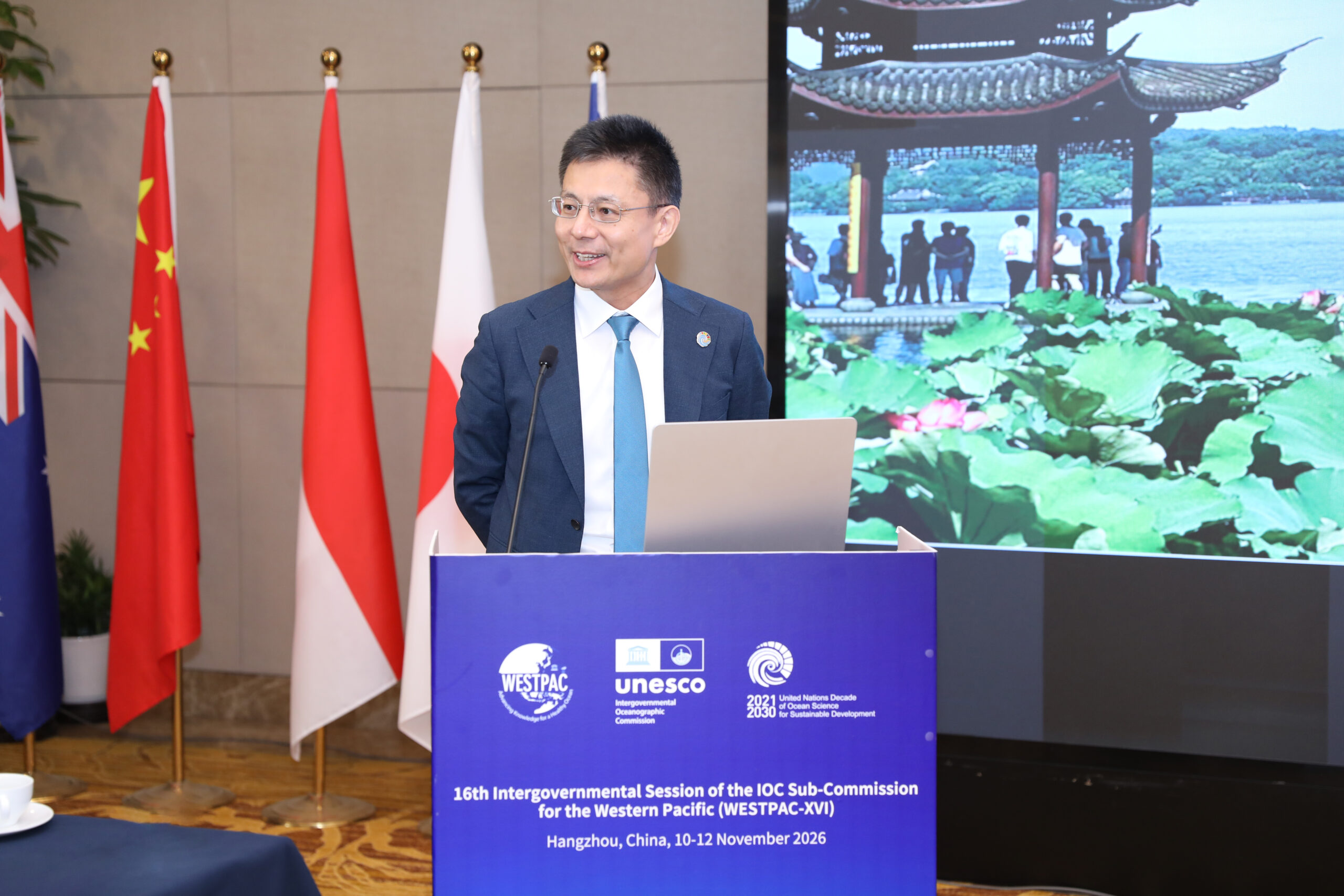
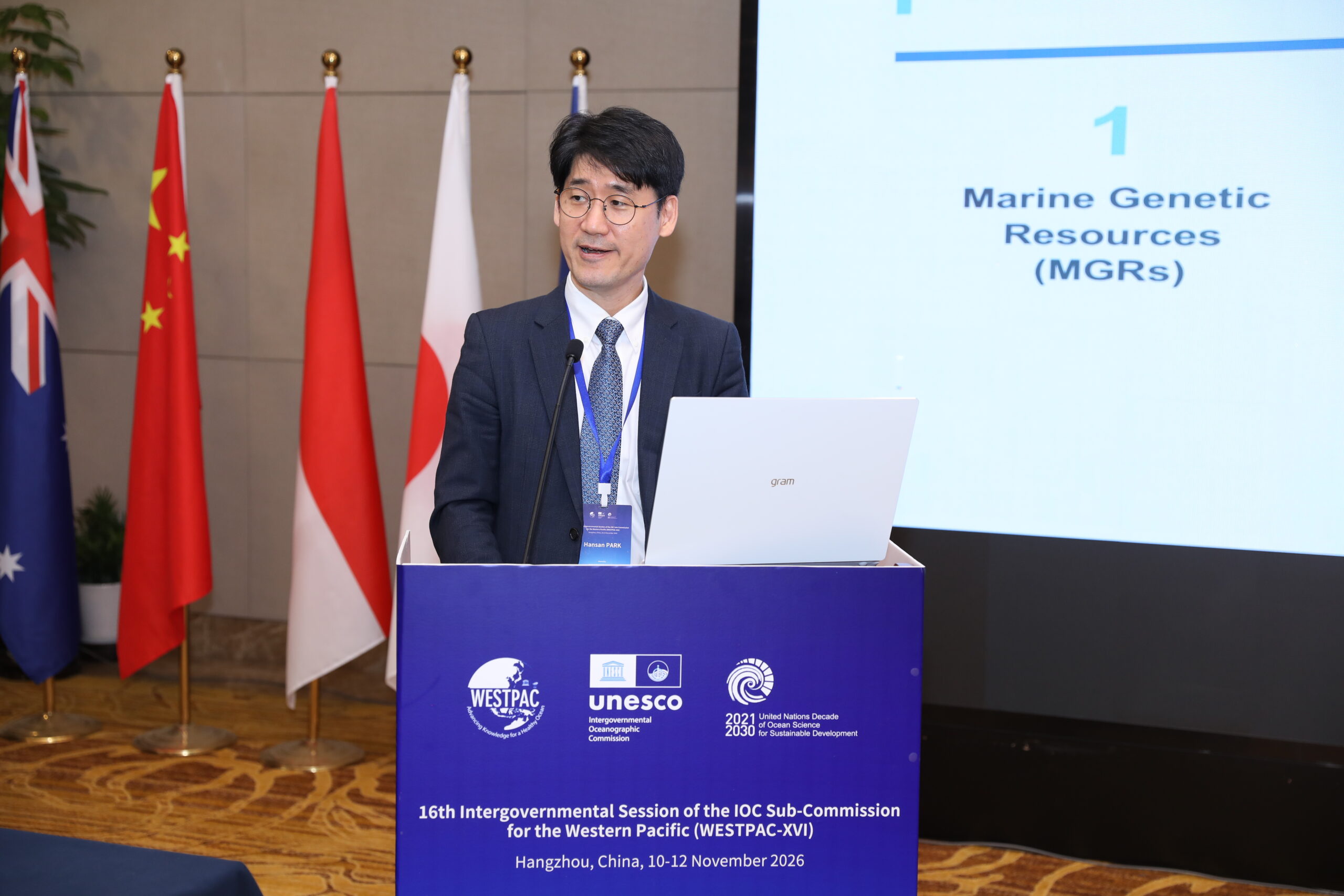
Particular attention was given to implementing the Regional Action Framework for Marine Spatial Planning (2025–2030), supporting more informed and sustainable management of marine spaces. The Session also applauded efforts to advance research and science-based restoration of mangrove and seagrass ecosystems, alongside a new initiative expanding the application of environmental DNA (eDNA) for biodiversity monitoring and conservation.
Strengthening countries’ ability to anticipate and respond to coastal hazards was another priority. Regional initiatives are enhancing capacities to observe, forecast, and assess coastal hazards and associated risks, while improving access to scientific information and practical tools for coastal resilience.
Cooperation is also expanding to support implementation of the Agreement on Biodiversity Beyond National Jurisdiction (BBNJ). Building on established capacity-development mechanisms, including the Regional Network of Training and Research Centres on Marine Science, WESTPAC is working with Member States to identify priority needs, strengthen scientific and technical expertise, and facilitate regional knowledge exchange.
Together, these efforts demonstrate the Sub-Commission’s essential role in bridging ocean science, policy, and practice, helping Member States respond to pressing environmental and societal challenges.
Shaping the future of regional ocean cooperation
Looking ahead, Member States engaged in strategic discussions on the IOC and the future of the ocean, identifying regional priorities to inform the IOC’s next Medium-Term Strategy (2030–2037).
The discussions emphasized stronger regional foundations in ocean science and technology, closer connections between science and decision-making, and sustained benefits for people and society.
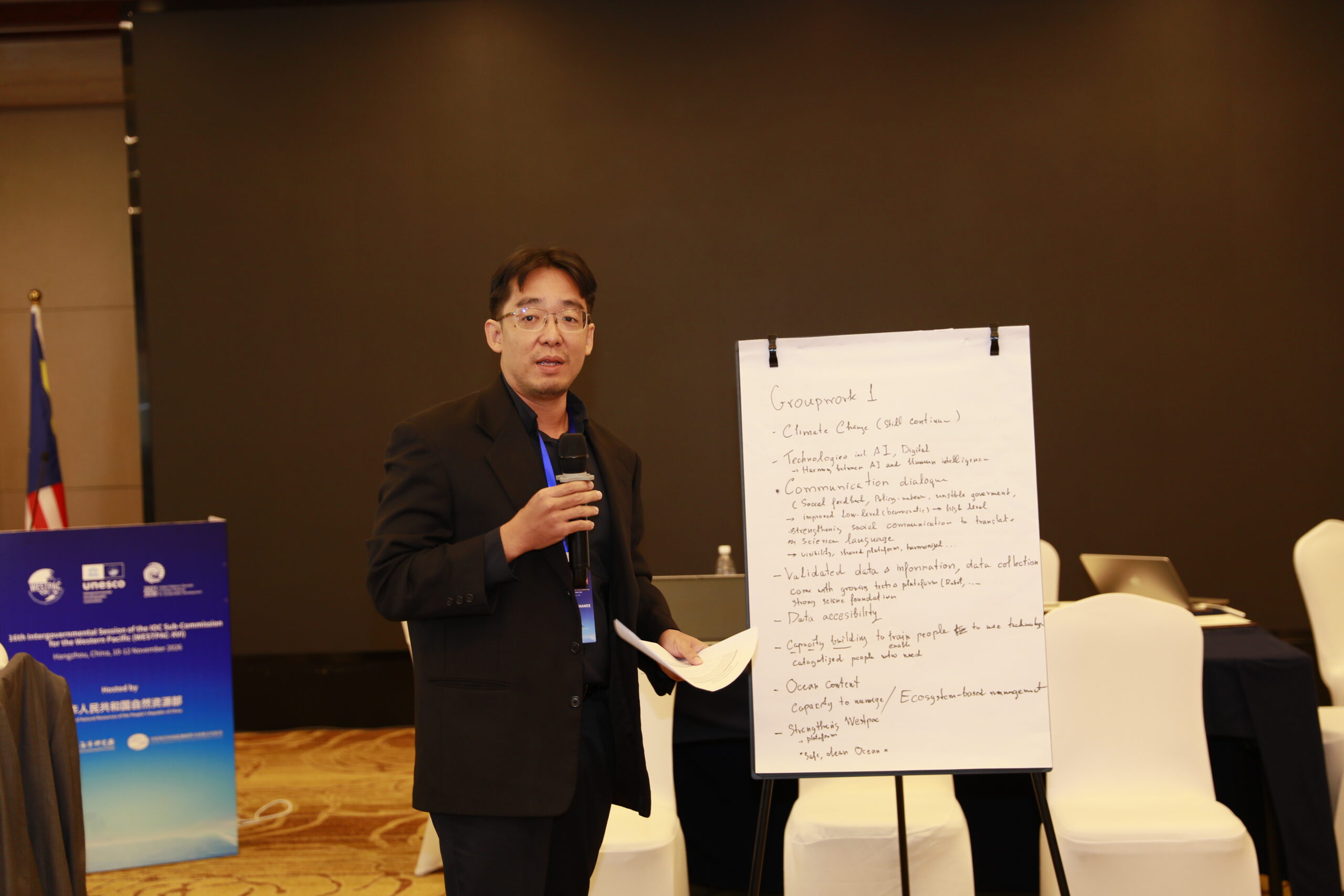
The Session also highlighted WESTPAC’s leading role in advancing the United Nations Decade of Ocean Science for Sustainable Development (2021–2030) in the region, mobilizing governments, scientific communities, and partners to address shared ocean challenges.
As the Ocean Decade places increasing emphasis on delivering practical solutions, eight Ocean Decade Solutions have been developed to accelerate action on ocean life, ocean health, coastal resilience, sustainable ocean food systems and economies, supported by ocean information and services, investment, and capacity development. A WESTPAC Regional Blueprint is being developed to reflect regional priorities and needs and guide collective action.
Momentum will continue in Manila, Philippines, where the 12th WESTPAC International Marine Science Conference and 3rd UN Ocean Decade Regional Conference will take place from 20 to 23 April 2027. Under the theme “From Knowledge to Action: Connecting Science, Policy, and Society for a Resilient Western Pacific,” the conference will bring together scientists, policymakers, early-career ocean professionals, and other stakeholders, and provide an important platform to advance the Regional Blueprint, strengthen partnerships, and translate shared priorities into action.
These discussions reaffirmed the relevance of WESTPAC’s longstanding commitment to “ocean science for society”, demonstrating how regional cooperation can turn global commitments into meaningful benefits for Member States and their communities.
From regional priorities to collective action
The Session concluded with commitments to translate shared priorities into action. Alongside strengthening established cooperation mechanisms and ongoing initiatives, Member States agreed to:
- Endorse the establishment of the Regional Training and Research Centre on Regenerative Aquaculture for Community and Ecosystems (RTRC-RACE), to be hosted by the Centre for Marine and Coastal Studies (CEMACS), Universiti Sains Malaysia, to promote accessible, science-based aquaculture practices benefiting coastal communities and ecosystems.
- Establish a task force to develop regional technical guidelines for harmful algal bloom (HAB) early warning and mitigation systems, strengthening countries’ capacities to monitor, anticipate, and respond to harmful algal blooms.
- Call for stronger regional action on marine and coastal disaster risk reduction and prevention, promoting scientific cooperation and practical approaches to strengthen coastal resilience.
- Contribute actively to the IOC Medium-Term Strategy (2030–2037) and WESTPAC Regional Blueprint, ensuring that regional priorities, Member States’ needs, and emerging challenges inform future strategic directions and collective action.
Member States also committed to developing a realistic and actionable 2028–2029 workplan to carry agreed priorities forward through coordinated regional initiatives.
External Coverage
- 联合国教科文组织政府间海洋学委员会西太平洋分委会第十六届政府间会议在杭州举行
- [남성현 교수] 정부간해양학위원회-서태평양분과위원회(IOC-WESTPAC) 의장 선출
- NAHRIM STRENGTHENS INTERNATIONAL COLLABORATION IN OCEAN SCIENCE THROUGH WESTPAC-XVI, HANGZHOU, CHINA – 10 UNTIL 12 NOVEMBER 2026
- Сотрудники ТОИ ДВО РАН представили Россию на 16-й Межправительственной сессии Подкомиссии для западной части Тихого океана Межправительственной океанографической комиссии ЮНЕСКО (WESTPAC-XVI)
- Việt Nam tham gia Phiên họp Tiểu ban Tây Thái Bình Dương lần thứ 16
From restoring coastal ecosystems to strengthening early warning capabilities and shaping future ocean priorities, WESTPAC-XVI underscored a shared determination to turn cooperation into action — for a healthier, more resilient, and sustainable Western Pacific Ocean.