Restoring the Coastline’s Defenders: A Renewed Push for Mangroves in the Western Pacific
Major challenges persist—most notably the lack of tailored or the limited application of science-based restoration methodologies and long-term monitoring techniques to ensure effective and sustainable outcomes.
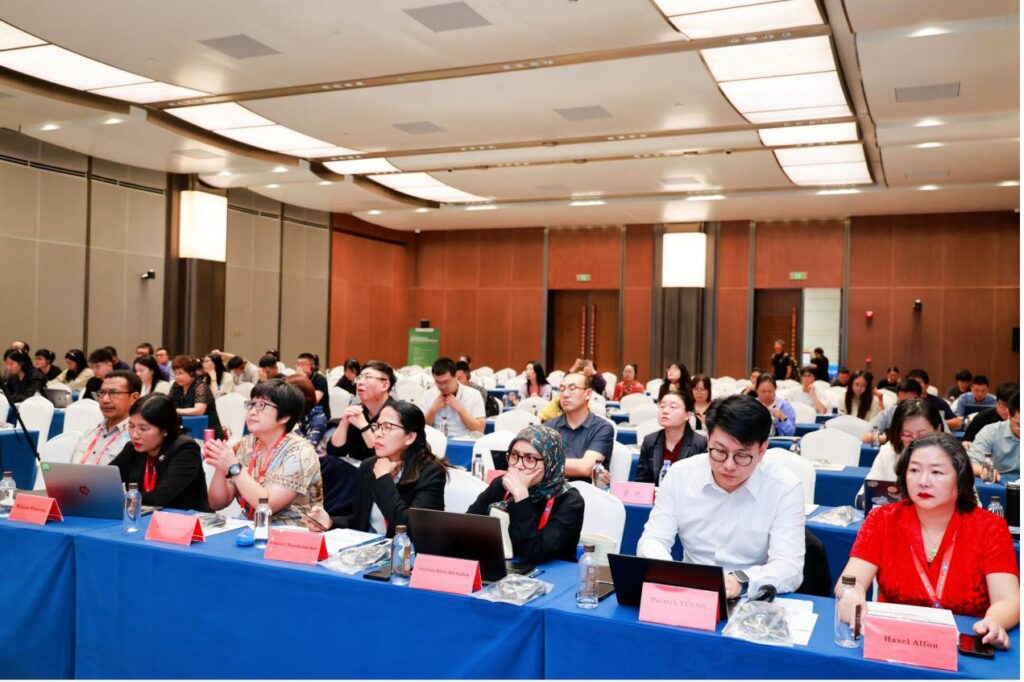
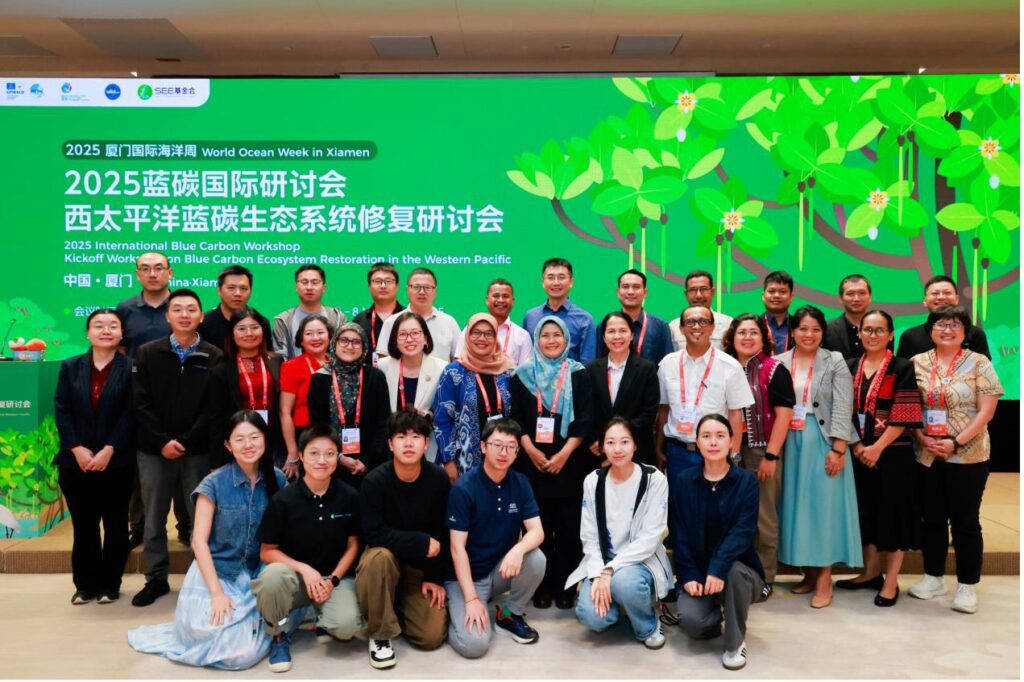
From 6 to 8 November 2025, the IOC Sub-Commission for the Western Pacific (WESTPAC), in partnership with the Third Institute of Oceanography of China’s Ministry of Natural Resources, the SEE Foundation, and the Ocean Decade Programme on Blue Carbon, convened the Kick-off Workshop on Blue Carbon Ecosystem Restoration in Xiamen, China, with a primary focus on mangrove ecosystems in the Western Pacific.
More than 150 participants, including researchers, resource managers, government officials, and representatives from non-governmental organizations, gathered from ten countries—Cambodia, China, Indonesia, Malaysia, Myanmar, the Philippines, Thailand, Timor-Leste, the United States, and the United Kingdom, to exchange knowledge, share experiences, and strengthen international cooperation on mangrove restoration.
Mangroves as a Regional Priority
The Western Pacific hosts some of the world’s largest, most diverse, and most carbon-rich mangrove ecosystems. These habitats provide vital ecosystem services, including shoreline protection, carbon sequestration, biodiversity conservation, and livelihoods support for millions of people living in coastal areas.
However, mangroves across the region are under increasing threat. Participants highlighted large-scale habitat losses and declining ecological functions, driven primarily by coastal development, aquaculture expansion, deforestation, and land conversion. While replanting and conservation initiatives in several countries have helped stabilize mangrove coverage in recent years, major challenges persist—most notably lack of tailored and limited application of science-based restoration methodologies and long-term monitoring techniques to ensure effective and sustainable outcomes.
Advancing Knowledge and Practice
This kickoff workshop was designed to address these challenges by promoting knowledge exchange, strengthening technical capacity, and identifying shared priorities for international collaboration. Through keynote presentations and plenary sessions, experts provided insights into the latest global developments in blue carbon ecosystem restoration, national mangrove status and management practices, and emerging restoration techniques.
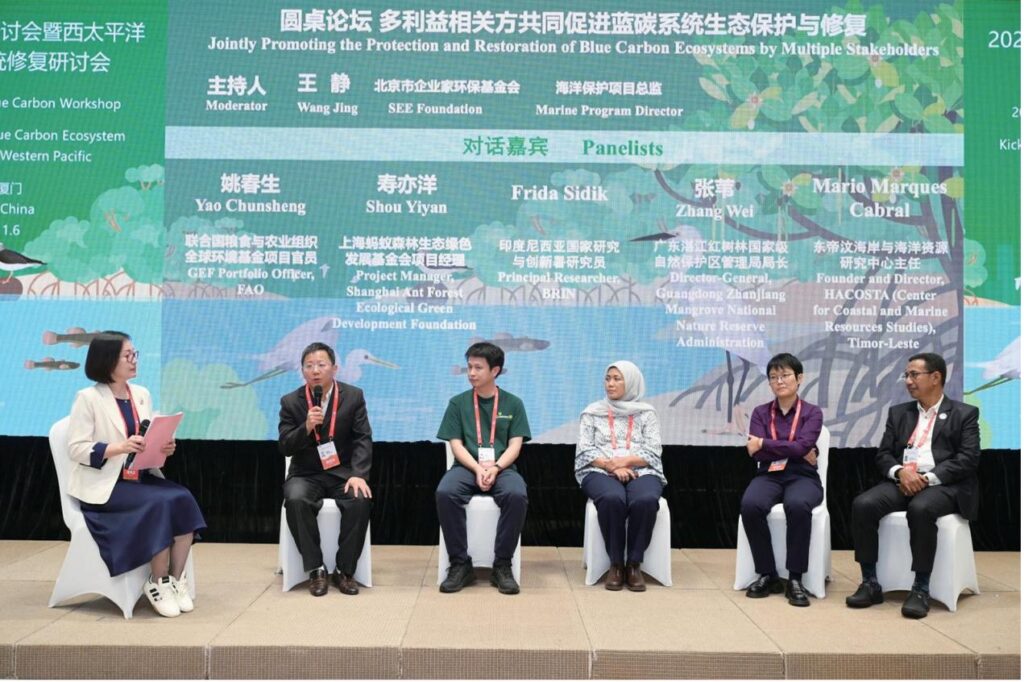
A dedicated roundtable session brought together representatives from international organizations, mangrove reserve management agencies, research institutions, and public welfare organizations to share their experiences in the protection and conservation of blue carbon ecosystems, and to explore strategies for maximizing the role of diverse stakeholders in responding to climate change.
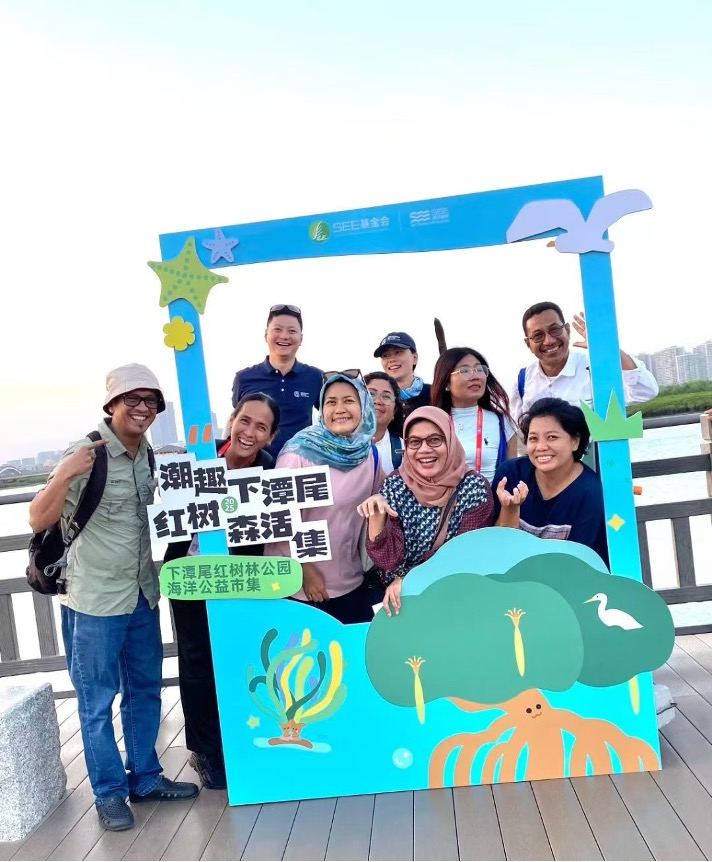
Participants also undertook a field visit to the Xiatanwei Mangrove Wetland, the largest artificially created mangrove-themed ecological park in Fujian Province. Covering more than 85 hectares, the site features restored mangroves, ecological boardwalks, and a nature learning center established on former aquaculture land. The visit provided participants with a first-hand view of the “Chinese model” of mangrove restoration, demonstrating the potential for ecological rehabilitation, public engagement, and sustainable land-use transformation.
Towards a Regional Roadmap
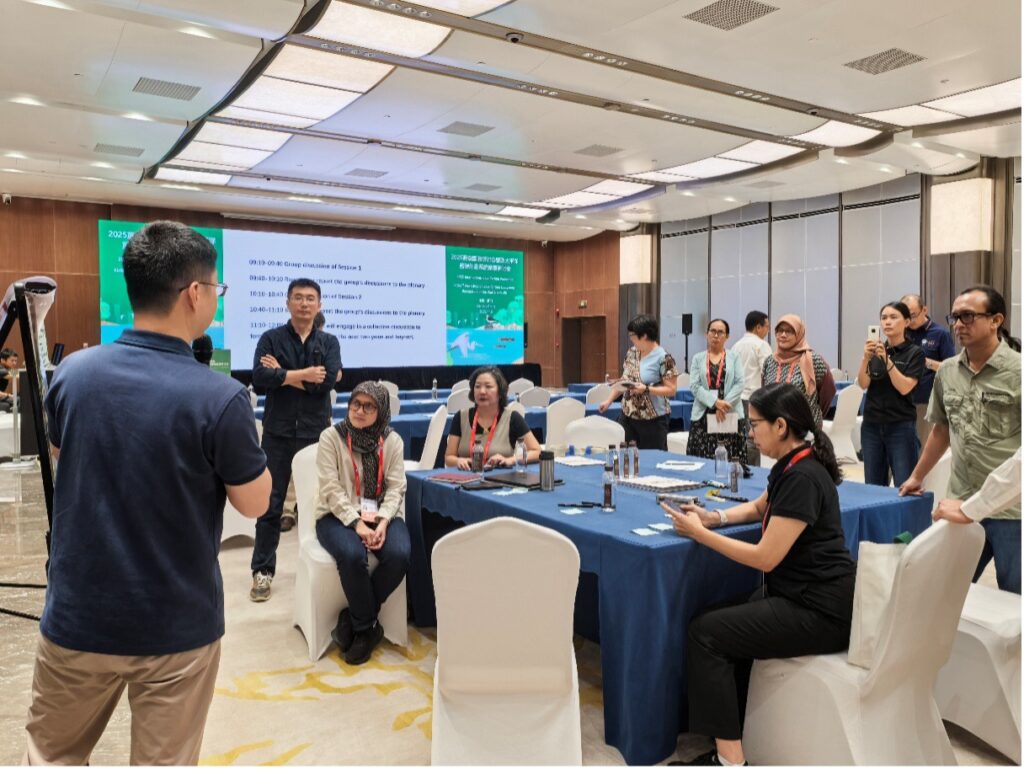
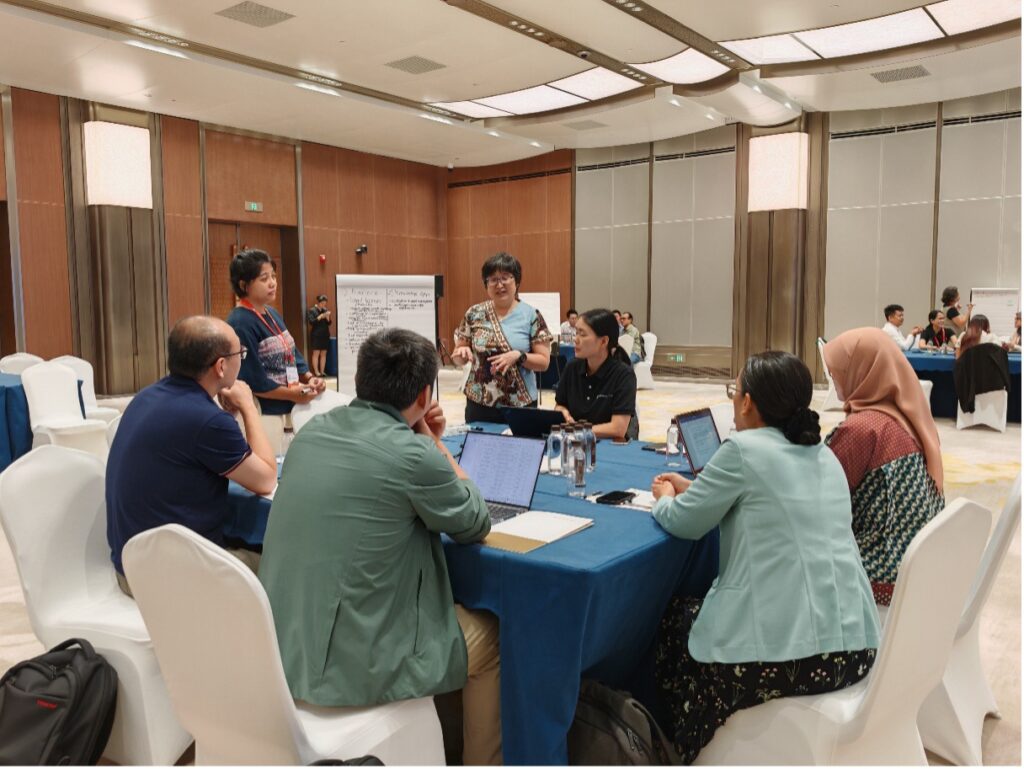
In the final phase of the workshop, participants engaged in group discussions to identify opportunities for cooperation in mangrove restoration, and to develop a collaborative roadmap outlining priority actions for the next two years, as well as a shared long-term vision for international cooperation in the region.
The workshop concluded with unanimous agreement on several immediate joint actions, including:
the development of a region-specific practical guidebook on mangrove restoration,
the compilation of best practices across Member States, and
the identification of potential demonstration sites for restoration techniques.
Participants also underscored the importance of engaging a broad range of stakeholders—including the private sector and local communities—to strengthen implementation and scale up successful restoration models.
The workshop marked an important step toward building a coordinated international framework for mangrove restoration in the region, contributing to the objectives of the UN Ocean Decade and advancing nature-based solutions for climate resilience and sustainable development in the Western Pacific.